Geonets vs. Geogrids: Understanding the Key Differences
Geosynthetics play a crucial role in civil engineering and environmental projects, and two common types are geonets and geogrids. In this article, we’ll delve into the definitions, applications, and differences between these materials to help you better understand their respective roles in construction and soil stabilization.
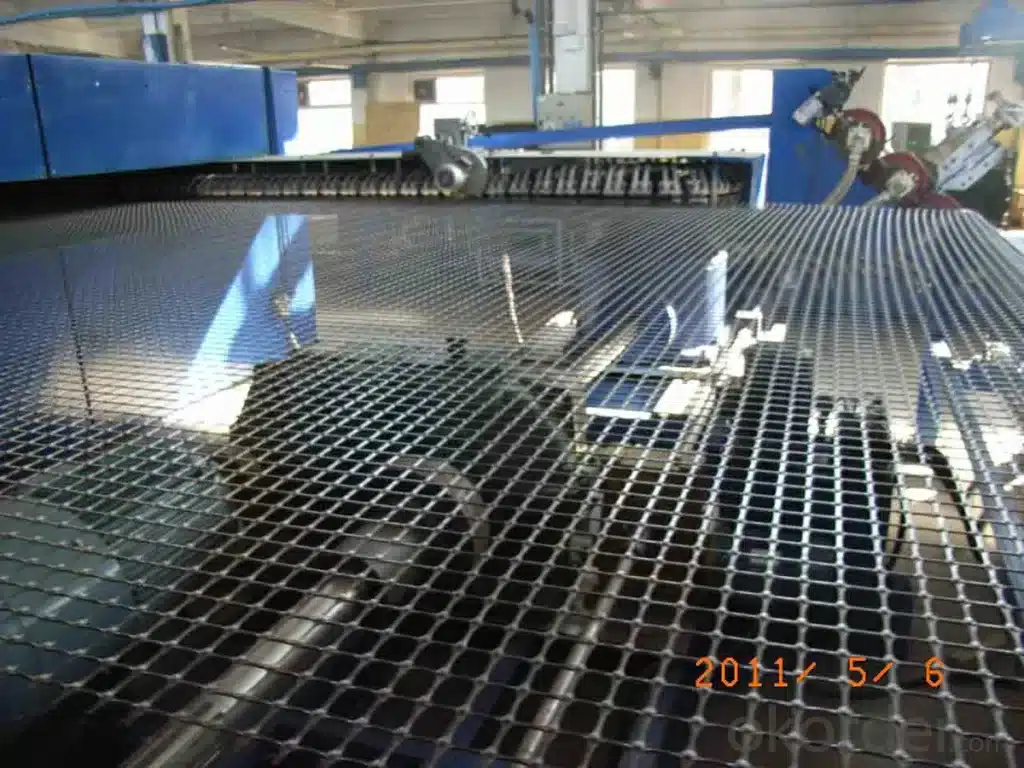
What is a Geonet?
A geonet, short for “geosynthetic drainage net,” is a planar product made from polymer materials such as polyethylene or polypropylene. Geonets are designed with a three-dimensional structure that resembles a net or grid. Their primary function is to facilitate the efficient flow of liquids, such as water, within soil or geotechnical structures. Geonets are commonly used in applications where drainage and filtration are crucial, including landfills, retaining walls, and road construction.
What is a Geogrid?
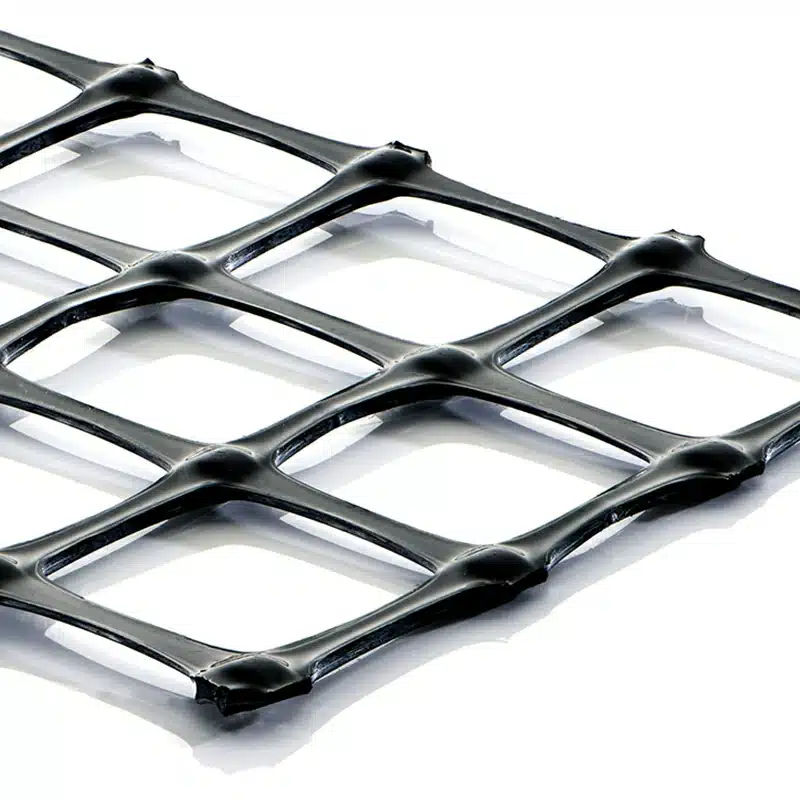
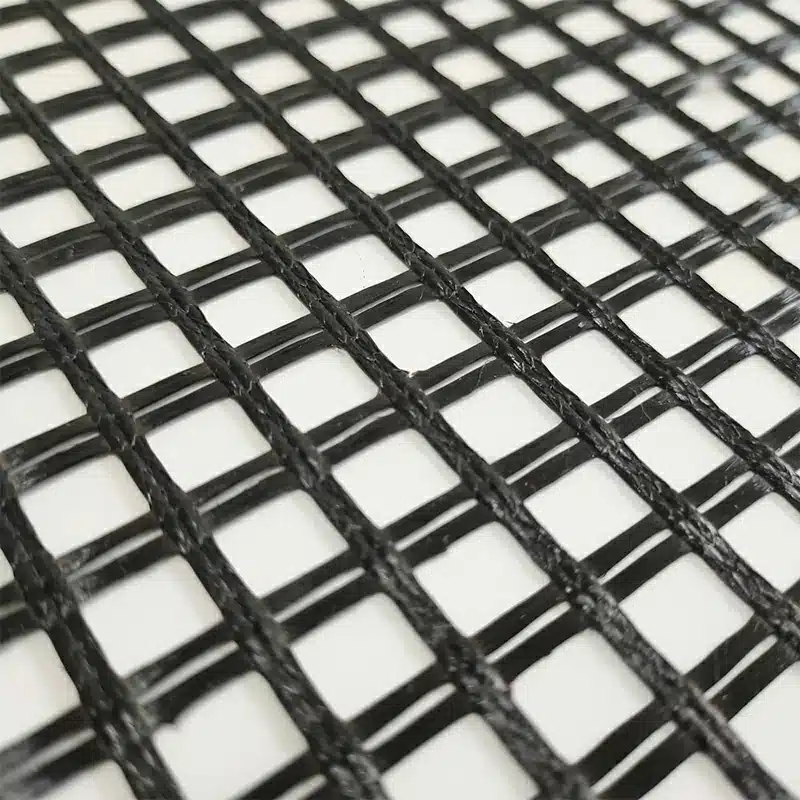
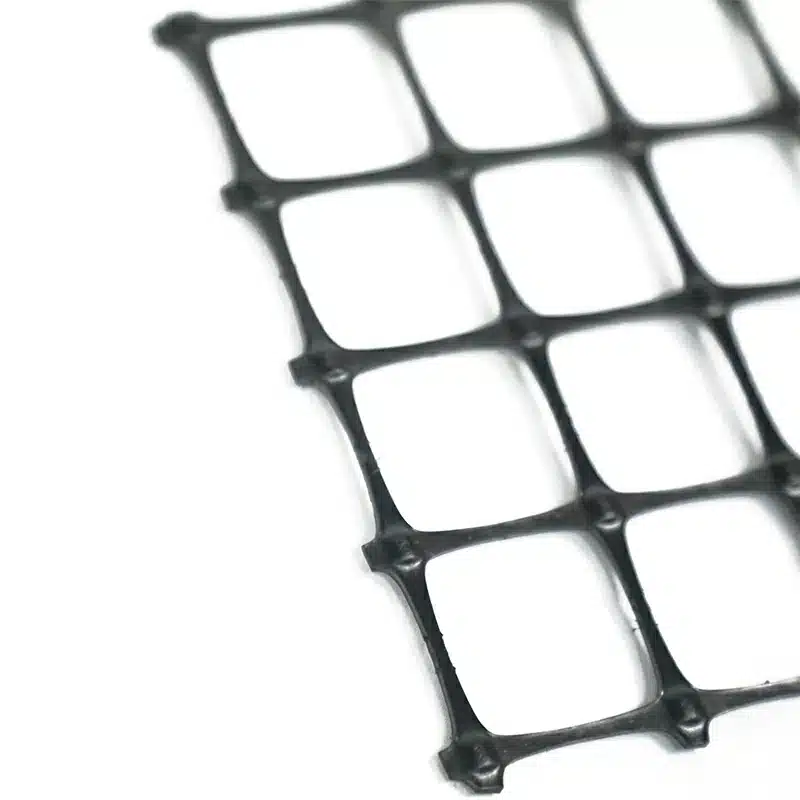
On the other hand, a geogrid is a geosynthetic material constructed with a grid-like or mesh-like configuration. Geogrids are typically composed of high-strength polymers, fiberglass, or even steel. Their primary purpose is to provide reinforcement and stabilization to soil, especially in areas where soil erosion is a concern. Geogrids are widely used in road construction, embankment reinforcement, and soil retaining applications.
What is the Difference Between Geonet and Geogrid?
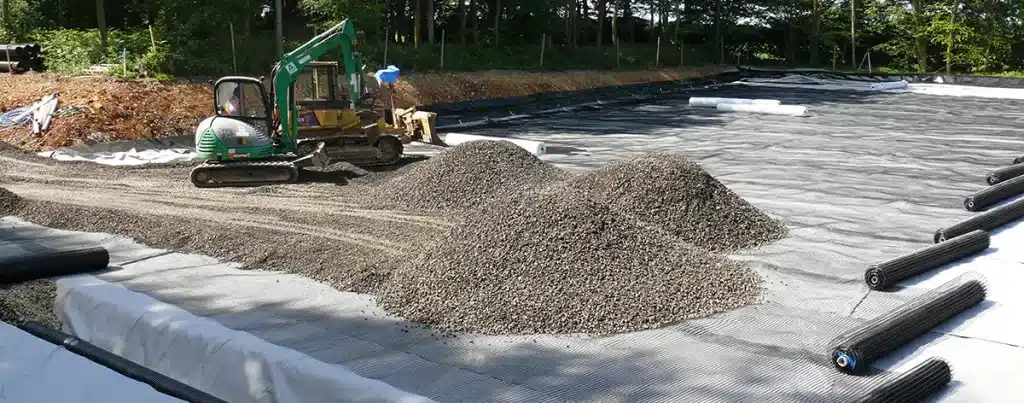
- Purpose: Geonets are primarily used for drainage and filtration, while geogrids serve the purpose of soil reinforcement and stabilization. Geonets allow water to flow through them efficiently, whereas geogrids are built to distribute loads across a wider area, reducing soil settlement.
- Structure: Geonets have a three-dimensional, net-like structure, designed to facilitate liquid flow. In contrast, geogrids have a two-dimensional grid or mesh structure, engineered for load distribution and soil reinforcement.
- Material: Geonets are typically made from polymer materials, while geogrids can be made from a variety of materials, including high-strength polymers, fiberglass, or steel. The choice of material depends on the specific application’s requirements.
- Applications: Geonets are commonly used in projects that involve drainage and filtration, such as landfills and retaining walls. Geogrids, on the other hand, find their place in applications where soil stabilization, reinforcement, and erosion control are essential, such as road construction and embankment reinforcement.
How do Geonets and Geogrids Impact Construction and Environmental Projects?
Geonets and geogrids play crucial roles in construction and environmental projects. Geonets ensure proper drainage and filtration, preventing water buildup and soil erosion, which can be detrimental to the stability of structures like retaining walls. Geogrids, on the other hand, provide soil reinforcement, increasing the load-bearing capacity of the soil and reducing the risk of settling or failure in road construction and embankments. By choosing the right geosynthetic for a specific application, engineers and environmentalists can enhance the longevity and performance of their projects while mitigating potential risks.
In conclusion, geonets and geogrids are valuable geosynthetics with distinct functions and applications. Understanding their differences is essential for selecting the right material to meet the specific needs of construction and environmental projects. Whether it’s efficient drainage and filtration with geonets or soil reinforcement and stabilization with geogrids, these geosynthetics are integral to the success of numerous civil engineering endeavors.


Comments
Post a Comment