Geocomposite Membranes: Applications and Benefits Across Industries
Geocomposite membranes are a vital component in various engineering projects, offering multiple functions and benefits. In this article, we will explore what geocomposite membranes are, their functions, and their significance in construction and environmental projects.
What is a Geocomposite Membrane?
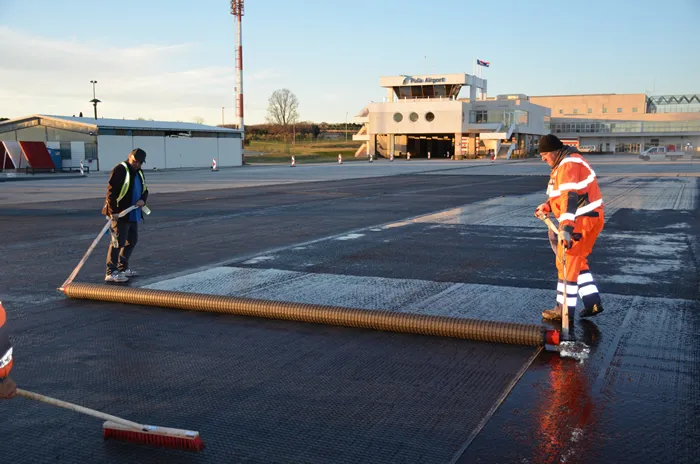
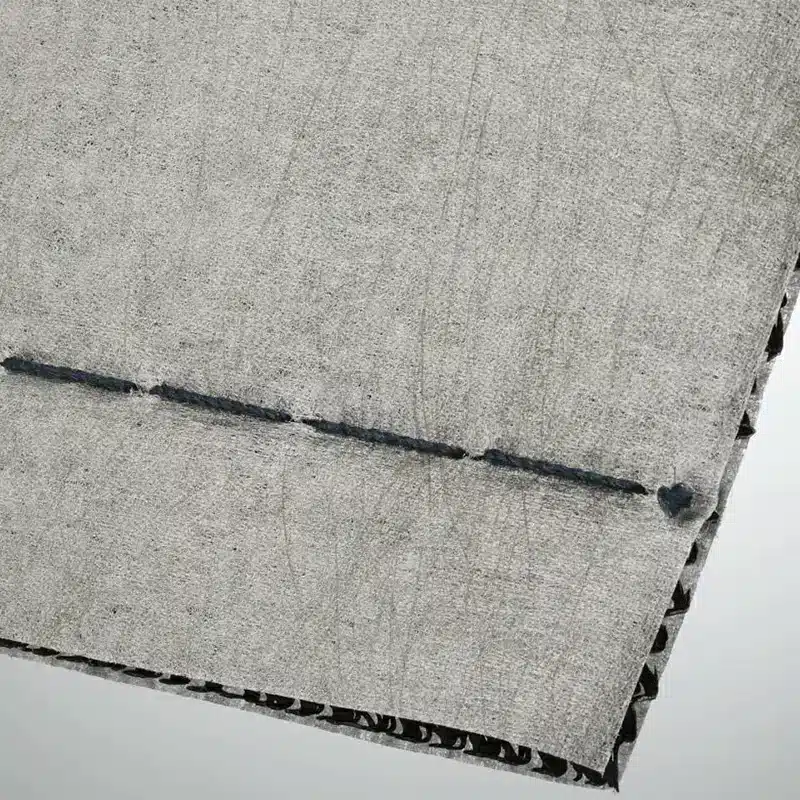
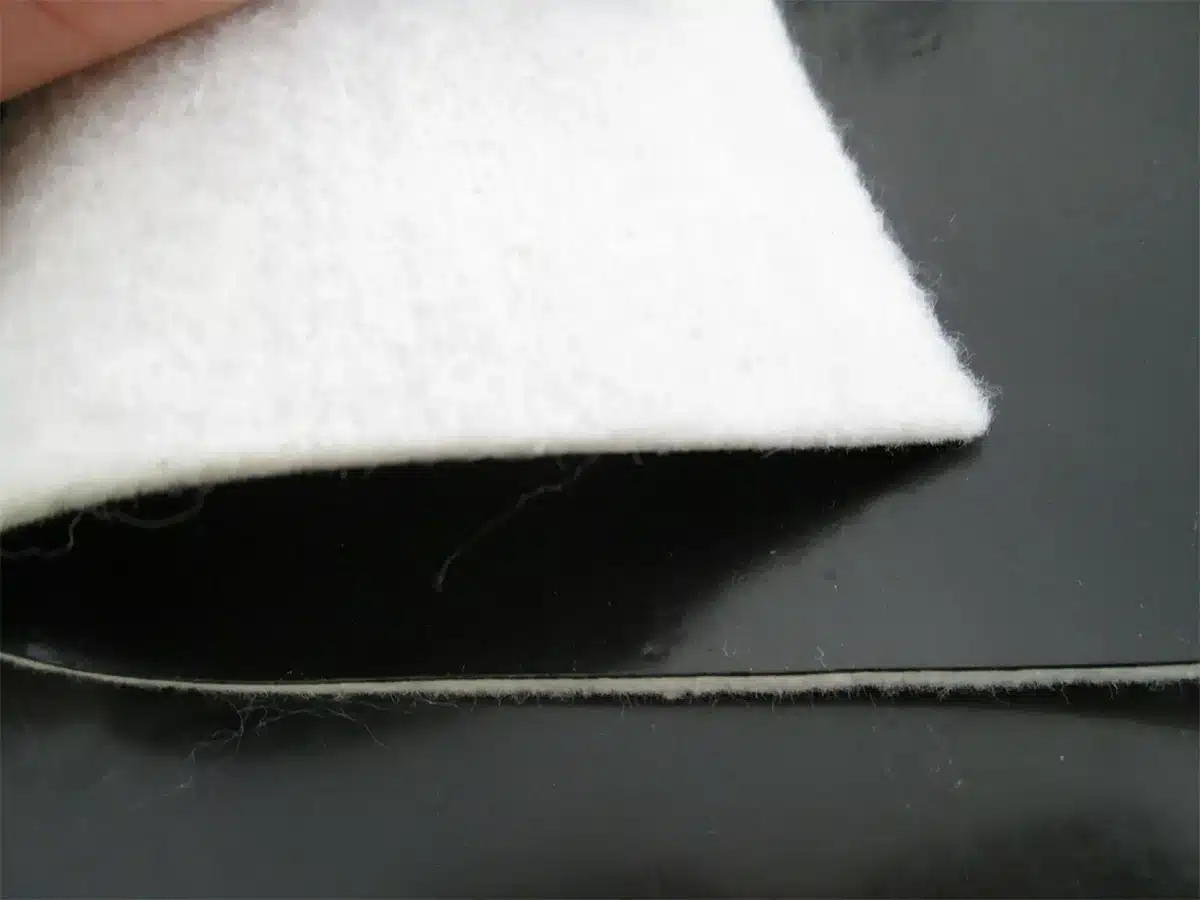
Geocomposite membranes, also known as geosynthetic materials, are specially designed materials created from several layers, each with unique characteristics. These layers consist of one or more geosynthetics, such as geogrids, geotextiles, geomembranes, or geonets, along with other materials. The blend of these materials in a geocomposite membrane is carefully engineered to offer specific engineering properties, making it incredibly versatile and suitable for a wide range of applications.
What is the Function of Geocomposite?
Geocomposite membranes serve various essential roles in modern engineering projects. These primary functions encompass:
- Drainage: Geocomposites efficiently channel water away from structures, soil, or retaining walls, preventing erosion, ensuring stability, and prolonging construction project lifespans.
- Filtration: Geocomposites excel in filtering out soil particles while allowing water to flow through. This filtration function is vital in applications like retaining walls, road construction, and environmental protection.
- Separation: In road and pavement construction, geocomposite membranes create a separation layer between the base course and subgrade soil, preserving construction integrity by preventing intermixing.
- Reinforcement: Geocomposites reinforce soil, providing stability to the underlying ground, particularly valuable in embankments and steep slopes.
How are Geocomposite Membranes Used in Practice?
Geocomposite membranes find a wide range of applications in various industries, including:
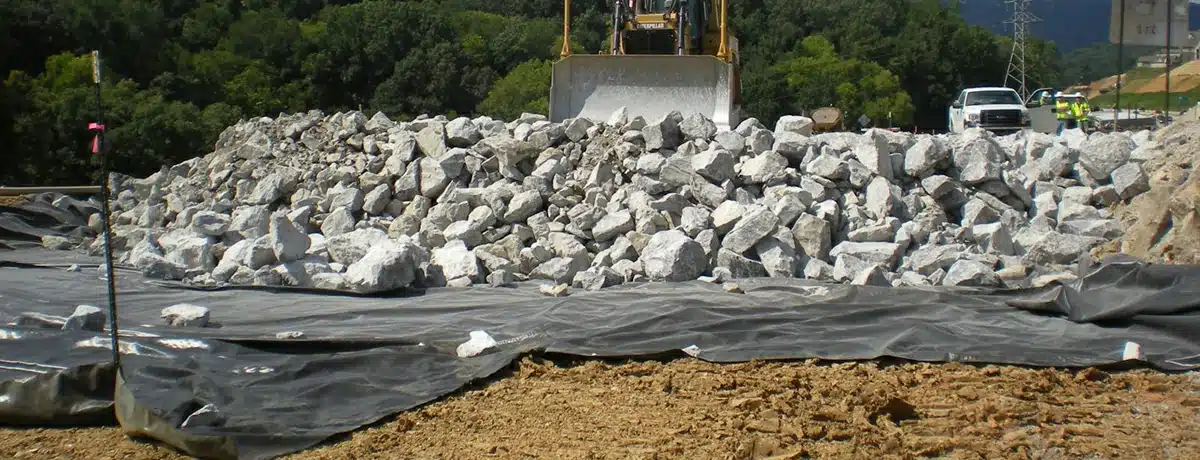
- Road Construction: They are used to reinforce road bases, provide drainage, and separate soil layers to enhance road longevity.
- Landfills: Geocomposites are crucial in landfill liners to prevent leachate leakage and groundwater contamination.
- Agriculture: They are used for soil stabilization, erosion control, and drainage in agricultural applications.
- Environmental Remediation: Geocomposites play a key role in environmental projects such as sediment control, wetland restoration, and shoreline protection.
What Should You Consider When Choosing a Geocomposite Membrane?
When selecting a geocomposite membrane for a project, it’s important to consider factors such as the project’s specific requirements, the site’s environmental conditions, and the longevity required. Additionally, evaluate the geocomposite’s permeability, strength, and durability to ensure it meets the project’s needs. It’s often beneficial to consult with a geotechnical engineer or a specialist in geosynthetics to make an informed decision.
In conclusion, geocomposite membranes are invaluable tools in modern engineering, offering a wide range of functions that contribute to the longevity and sustainability of various projects. Their versatility, combined with their environmental benefits, makes them an essential component in today’s construction and environmental protection efforts.



Comments
Post a Comment