Exploring Geonets: What Are They Made Of and How Do They Work?
Geonets are an essential component in various engineering and environmental applications. In this article, we delve into the composition of geonets, their properties, manufacturing processes, and primary functions.
What is a Geonet?
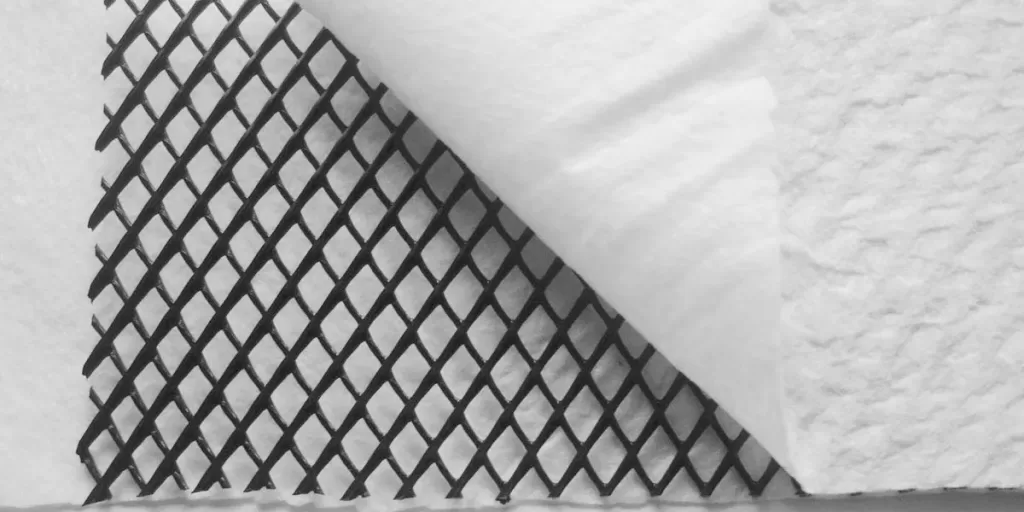
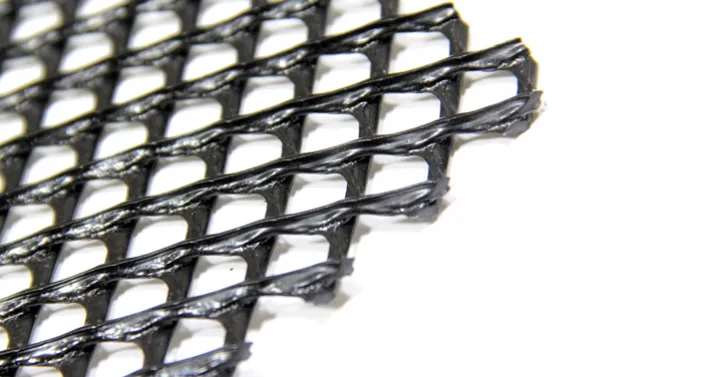
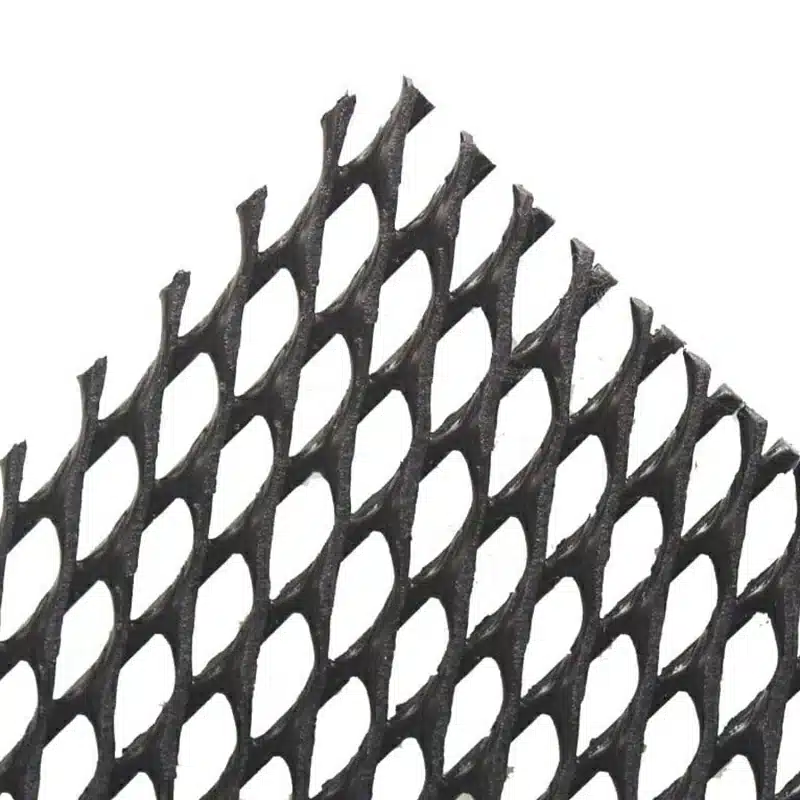
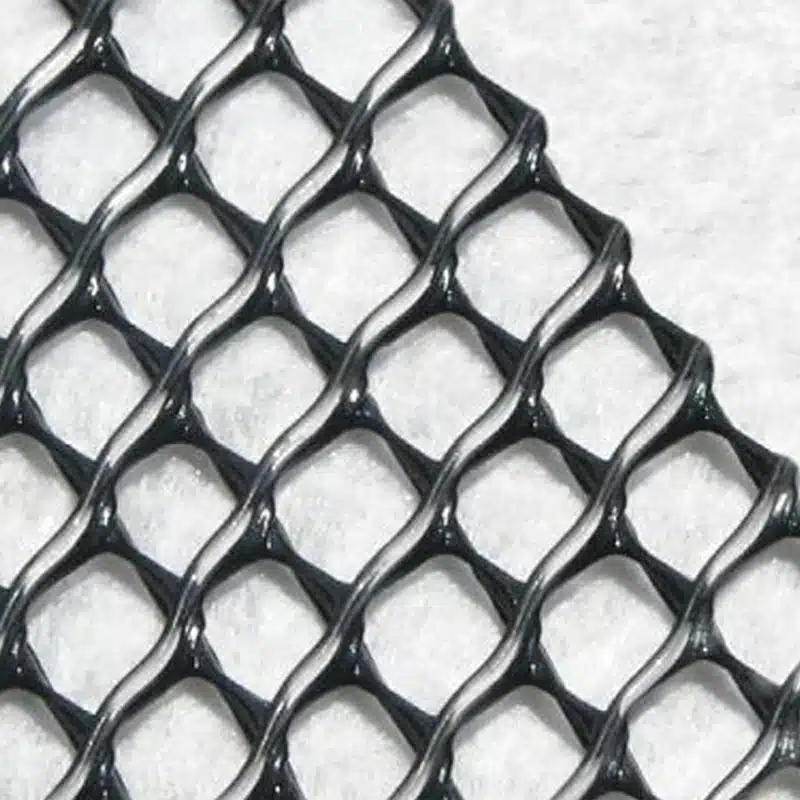
A geonet is a geosynthetic material that helps drain liquids or gases in various applications. It’s made from polymers like HDPE or polypropylene and features a three-dimensional network of interconnected parallel ribs at different angles, creating open channels that allow fluid flow. Geonets are essential in civil engineering, agriculture, and environmental conservation industries.
What are the Properties of Geonets?
Geonets offer several important characteristics that enhance their utility across applications:
- Efficient fluid flow: Thanks to their open structure, geonets excel at draining and filtering liquids.
- Chemical and biological resilience: Geonets are often crafted from materials that resist chemicals and biological degradation, ensuring long-lasting performance.
- Sturdy and lightweight: Geonets strike a balance between durability and weight, making them easy to handle while remaining robust.
- UV durability: Some geonets are treated to withstand UV exposure, extending their lifespan.
What is the Manufacturing Process of Geonets?
The geonet manufacturing process consists of the following steps:
- Material selection: Picking the right polymer material, like HDPE or polypropylene, is key in shaping the geonet’s properties.
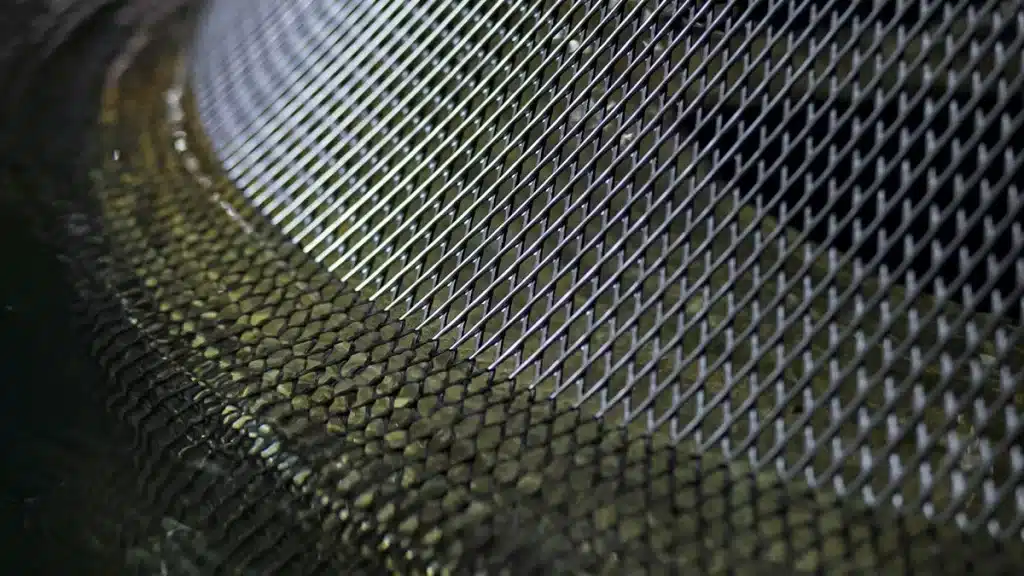
- Extrusion: Polymer granules are melted and continuously extruded into a netlike configuration of parallel sets of homogeneously interconnected ribs.
- Welding: The stretched sheet goes through thermal welding, forming a durable network of interconnected channels.
- Quality check: The final geonet is rigorously inspected to ensure it meets the desired specifications.
What is the Main Function of Geonets?
Geonets serve a central role in controlling liquid flow across diverse applications. They are widely employed in:
- Civil engineering, including road construction and landfills, to handle water infiltration and erosion for erosion control.
- Agriculture, ensuring soil stability and effective water management while preventing erosion.
- Environmental uses, such as landfill leachate collection, aid in secure liquid containment and removal.
- Green roofs and landscaping, enhancing water retention and drainage to curb erosion.
In conclusion, geonets, made of high-quality polymers, play a vital role in managing liquids in construction, agriculture, and environmental protection. Their unique properties and manufacturing processes make them indispensable for sustainable development and the preservation of our ecosystems. Understanding the composition and functions of geonets is essential for engineers, environmentalists, and anyone interested in the interplay between technology and nature.


Comments
Post a Comment