Exploring the Different Types of Geosynthetic Materials
Geosynthetic materials are versatile construction components that find applications in a wide range of civil engineering projects. In this article, we will delve into the world of c, discussing the various types available, the major groups they belong to, and their crucial properties in construction.

How many types of geosynthetics are there?
Geosynthetics come in various types, each tailored to specific purposes and made from different materials. The key types include:
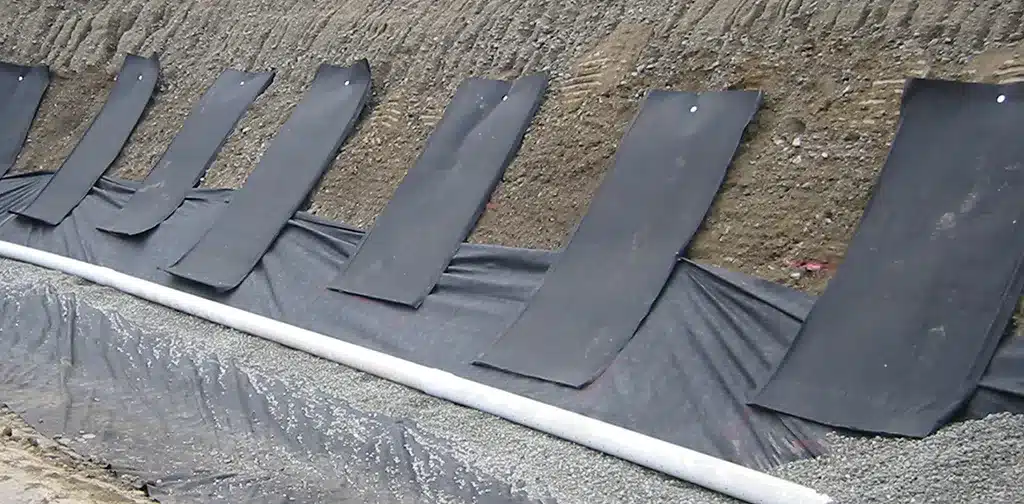
- Geotextiles: These fabric-like materials serve in roles like separation, filtration, and reinforcement, used for tasks like erosion control, soil stabilization, and drainage.
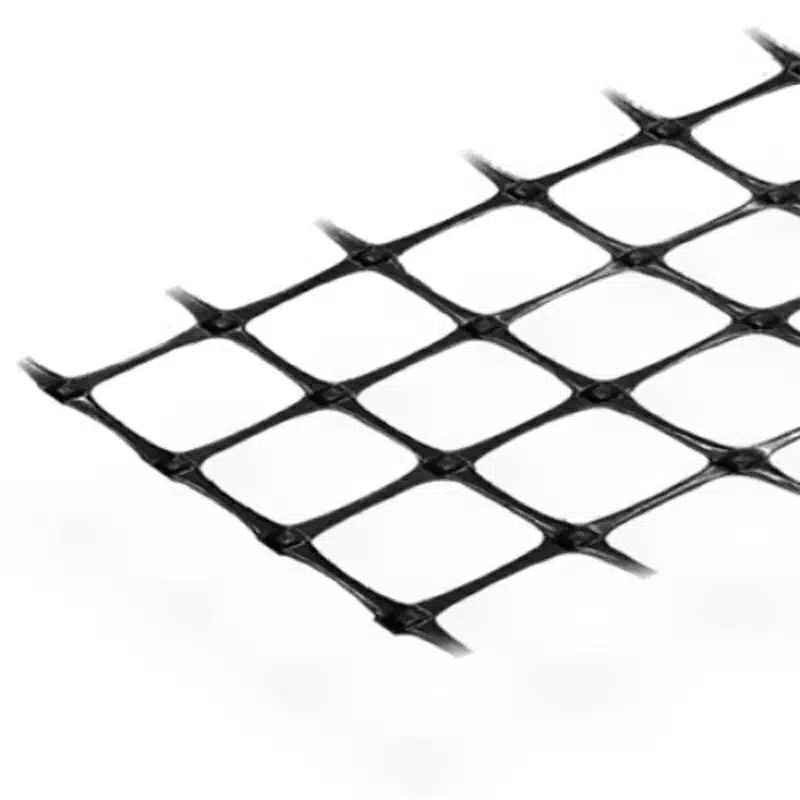
- Geogrids: Offering structural support through rigid or flexible grids, they distribute loads over a broader area, used in reinforcing retaining walls, roadbeds, and steep slopes.
- Geomembranes: Impermeable sheets create barriers for fluids, essential in applications such as landfill lining, pond liners, and environmental protection.
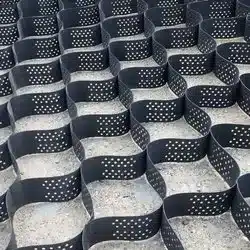
- Geonets: Resembling honeycombs, these three-dimensional structures promote drainage and are often seen in places where water flow management is critical, like landfill leachate collection.
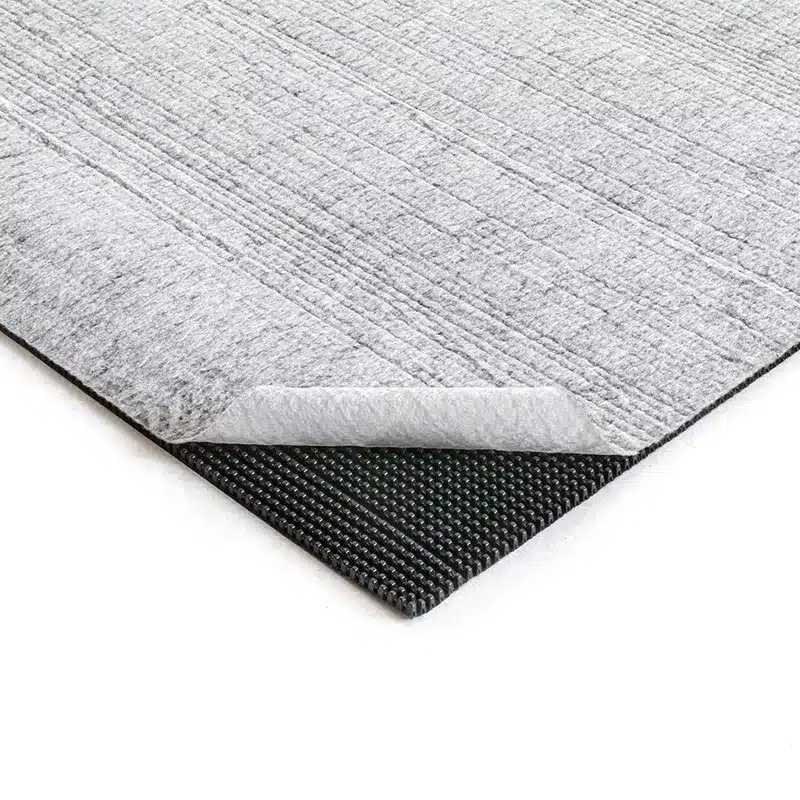
- Geocomposites: Combining two or more geosynthetic materials to boost performance, they find applications in civil engineering tasks like pavement reinforcement and erosion control.
What are the functions of geosynthetics?
Geosynthetics can be grouped into four major categories based on their primary functions:
- Separation: Geosynthetics, like geotextiles, prevent the mixing of dissimilar soil materials, ensuring that each layer retains its structural integrity. This separation helps in road construction and prevents contamination in various applications.
- Reinforcement: Geosynthetics, such as geogrids, increase the stability and load-bearing capacity of soil or structures. They are used in retaining walls, embankments, and roadways.
- Filtration: Geosynthetics with filtration capabilities, like geotextiles, allow water to pass while retaining soil particles. This prevents clogging and is useful in drainage systems and erosion control.
- Containment: Geosynthetics, including geomembranes, create barriers to contain liquids, gases, or pollutants. They are essential in applications such as waste containment and reservoir lining.
What are the four properties of geosynthetic material and its application in construction?
Geosynthetic materials have five key properties that play vital roles in construction:
- Permeability: This property defines how well geosynthetics allow or block fluid flow. Geotextiles with controlled permeability are used in drainage to prevent soil erosion.
- Strength: The strength of materials like geogrids bolsters the stability of civil engineering projects, making them essential for road construction and retaining walls.
- Durability: Geosynthetic materials need to endure environmental conditions and resist deterioration over time. Highly durable geomembranes, for instance, are used for long-term hazardous waste containment.
- Compatibility: Ensuring that geosynthetic materials work seamlessly with other construction components is crucial. Geocomposites are engineered for compatibility with various materials, making them versatile in construction.
- Degradation Properties: Understanding how geosynthetics degrade over time is essential for long-lasting construction. Monitoring their degradation properties is critical for ensuring the ongoing effectiveness of geosynthetic solutions.
What are the environmental benefits of using geosynthetic materials in construction?
Geosynthetic materials provide several environmental benefits, such as reduced environmental impact and improved sustainability in construction projects. By preventing soil erosion and promoting proper drainage, geosynthetics help protect natural habitats and water quality. They also extend the lifespan of structures, reducing the need for frequent reconstruction, which, in turn, conserves resources. Furthermore, the use of geosynthetics often results in cost savings and reduced construction time, contributing to a more sustainable and eco-friendly approach to civil engineering.
In conclusion, geosynthetic materials are invaluable in civil engineering and construction due to their versatile applications and performance-enhancing properties. Understanding the various types and their specific functions can greatly benefit engineers and builders in their projects.


Comments
Post a Comment