Differences Between Geofabric and Geogrid Explained
When it comes to soil stabilization and erosion control, geogrid and fabric are two commonly used solutions. In this article, we will explore the differences between geogrid and fabric, and their requirements to help you make an informed choice for your specific project.
What is Geogrid, and How Does It Work?
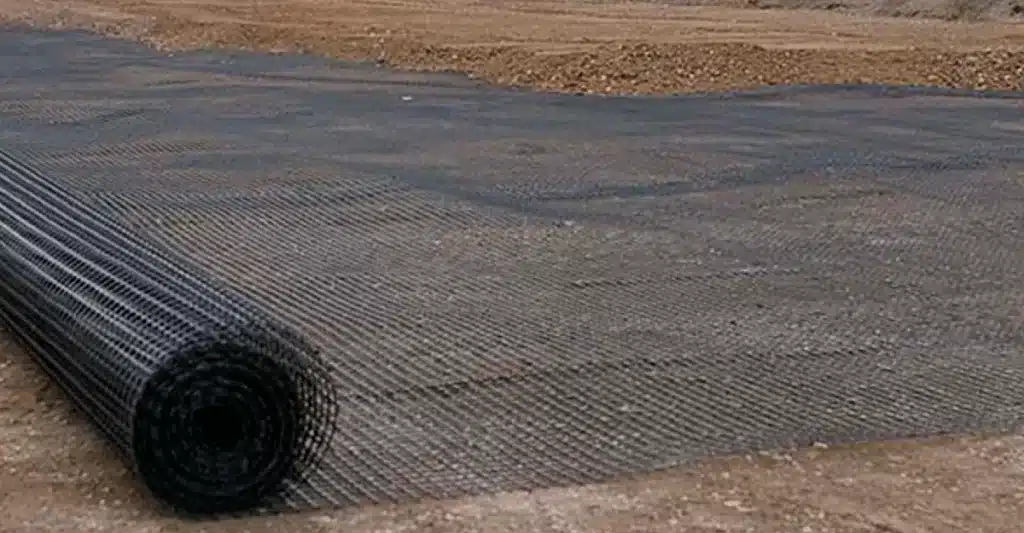
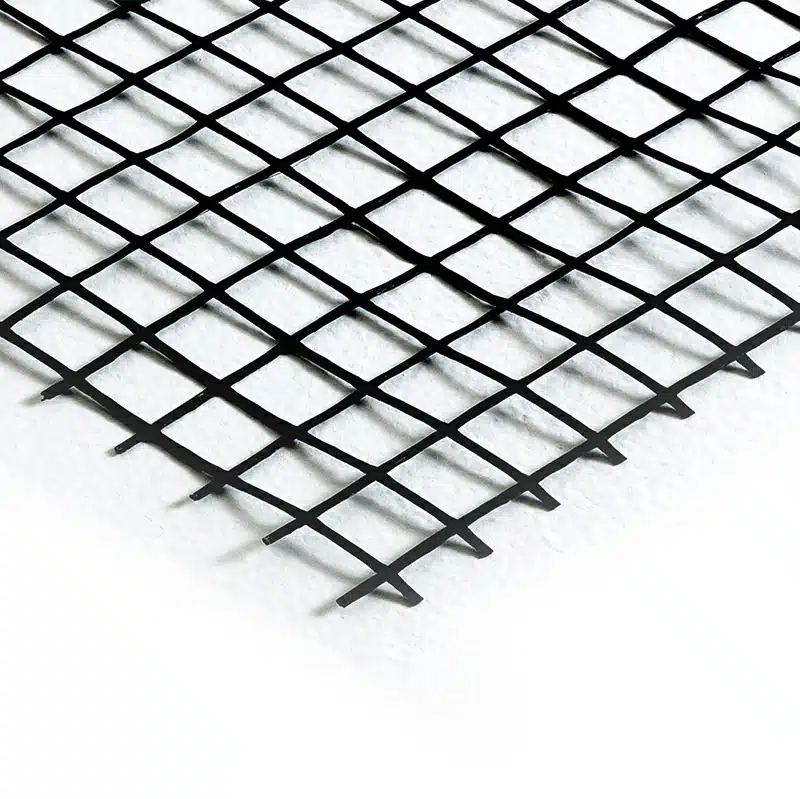
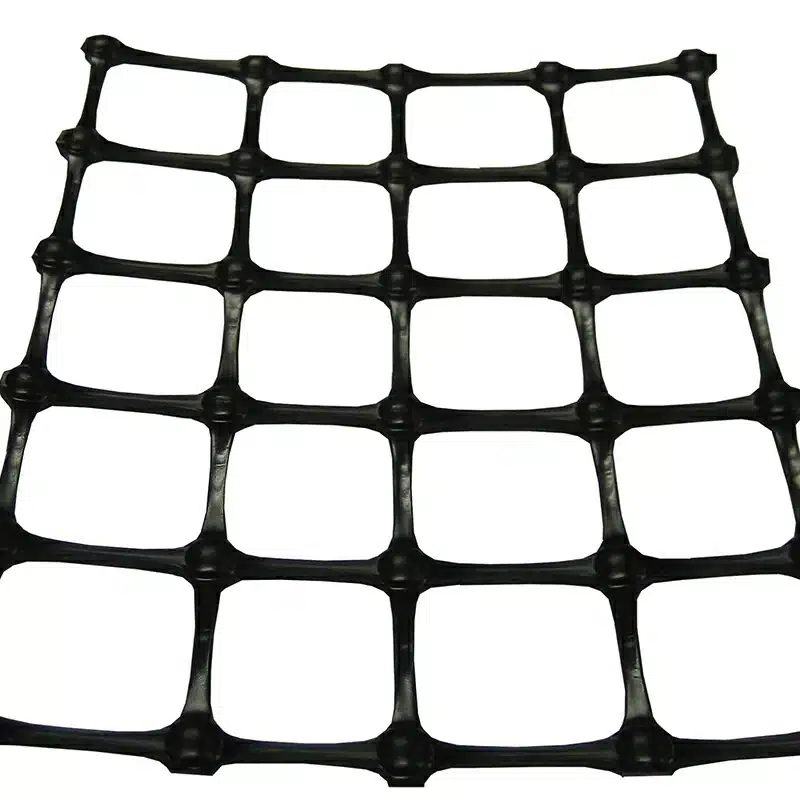
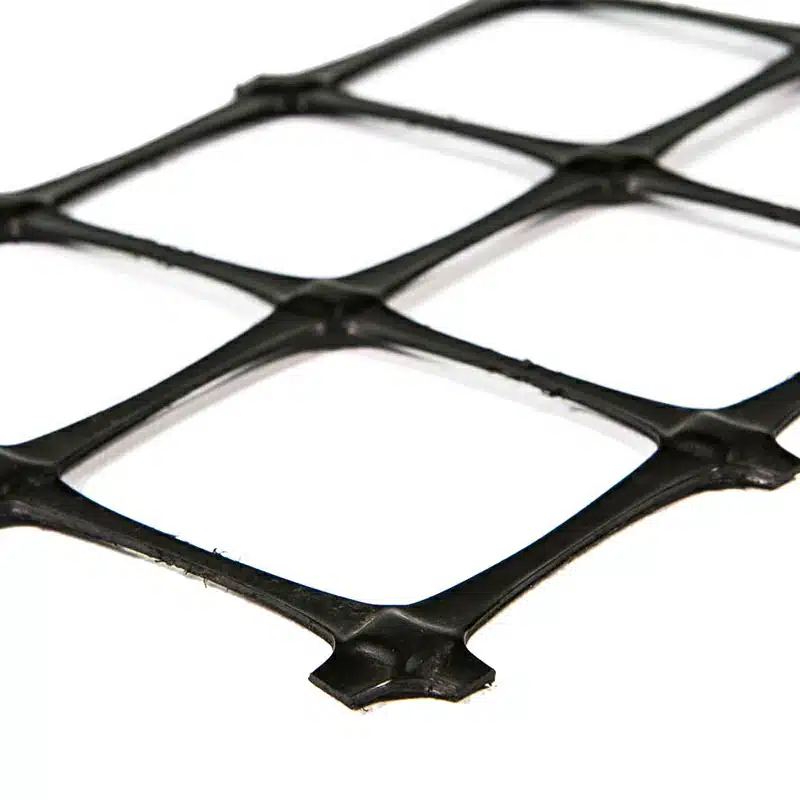
Geogrids are a type of geosynthetic material designed to provide structural support and improve load distribution. They are typically made from materials like polyester, polypropylene, or steel. Geogrids work by reinforcing the soil and creating a stable structure to distribute loads, making them ideal for applications like road construction, retaining walls, and soil stabilization.
What is Geofabric, and What Are Its Applications?
Geofabrics, also known as geotextiles, are porous textiles made from synthetic materials like polypropylene or polyester. They are used for filtration, separation, and drainage in various construction and erosion control applications. Geofabrics prevent soil erosion, filter water, and separate different soil layers.
What is the difference between Geofabric and Geogrid?
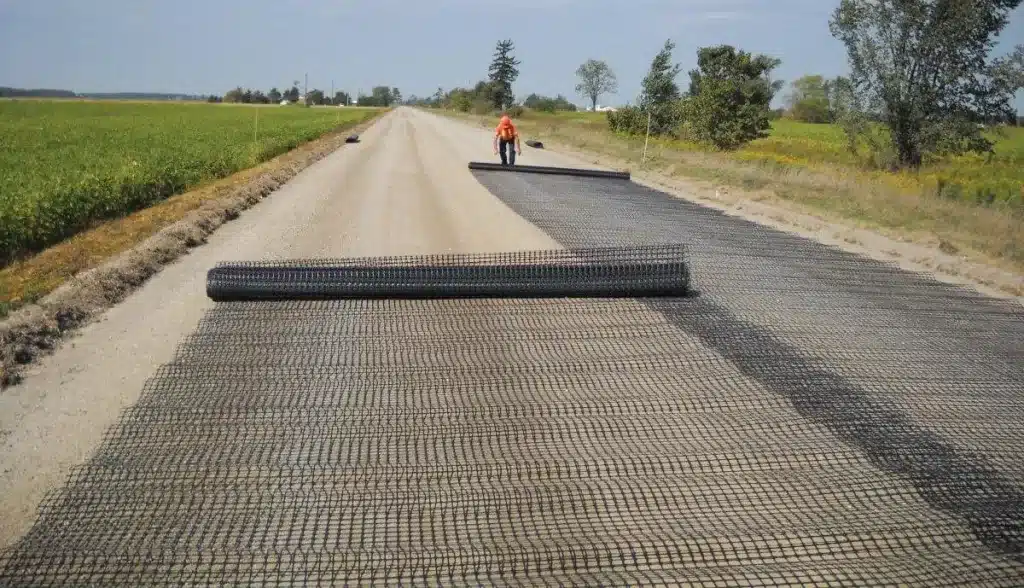
Geotextiles are made for separation, filtration, and drainage, while geogrids are crafted specifically for reinforcement. Geogrids are structural materials with a grid-like pattern, usually composed of materials like polyester, polypropylene, or steel. They bolster structure stability and work well for retaining walls, road construction, and slope reinforcement. In contrast, Geofabrics, also known as geotextiles, are porous synthetic textiles made from materials like polypropylene and polyester. They primarily focus on erosion control and water filtration, preventing soil erosion and separating soil layers. Geofabrics are a great fit for landscaping, drainage systems, and shoreline protection applications.
Can I use both Geogrid and Geofabric together?
Yes, in many cases, combining geogrid and fabric can provide a comprehensive solution. For example, in road construction, geogrid can be used to reinforce the subbase, while fabric is placed above to prevent fine soil particles from infiltrating the aggregate layer. This combination maximizes the benefits of both materials, offering structural support and erosion control.
In conclusion, the choice between Geogrid and Geofabric depends on the specific requirements of your project. Geogrids offer structural support and load distribution, while Geofabrics excel in erosion control and soil preservation. Analyzing your site conditions and design goals will help you make an informed decision, ensuring the success of your soil stabilization and erosion control project.


Comments
Post a Comment