Geonet in Geotextile: Unveiling Its Role in Modern Engineering
Geonet landscape, a term often associated with geotextiles and geosynthetics, plays a crucial role in modern engineering and environmental projects. In this article, we will delve into the world of geonet and answer essential questions, such as what it is, what it’s made of, its applications, and its relationship with geotextile geomembranes.
What is geonet in geotextile?
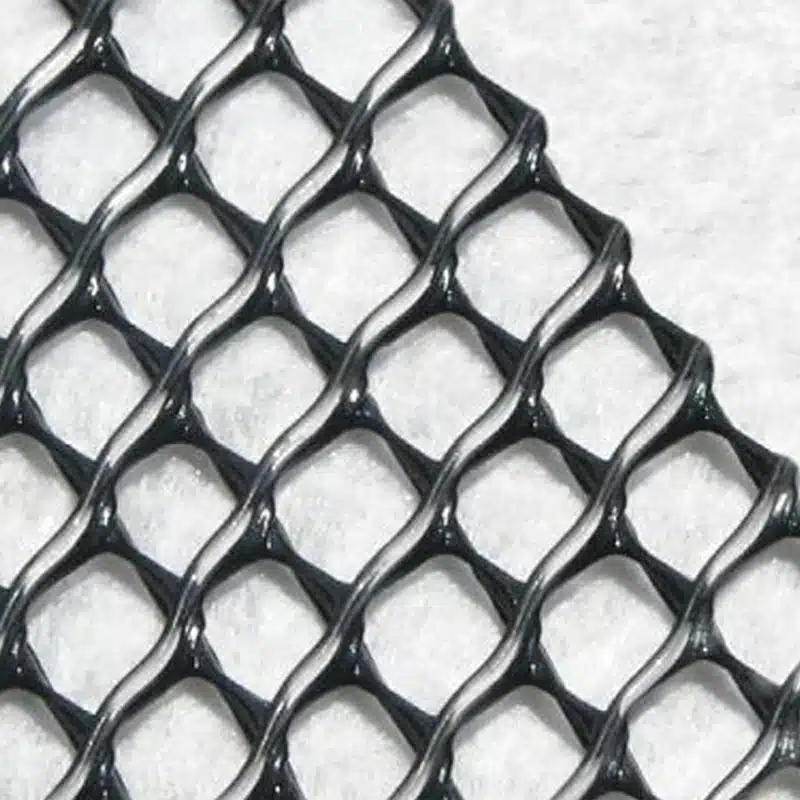
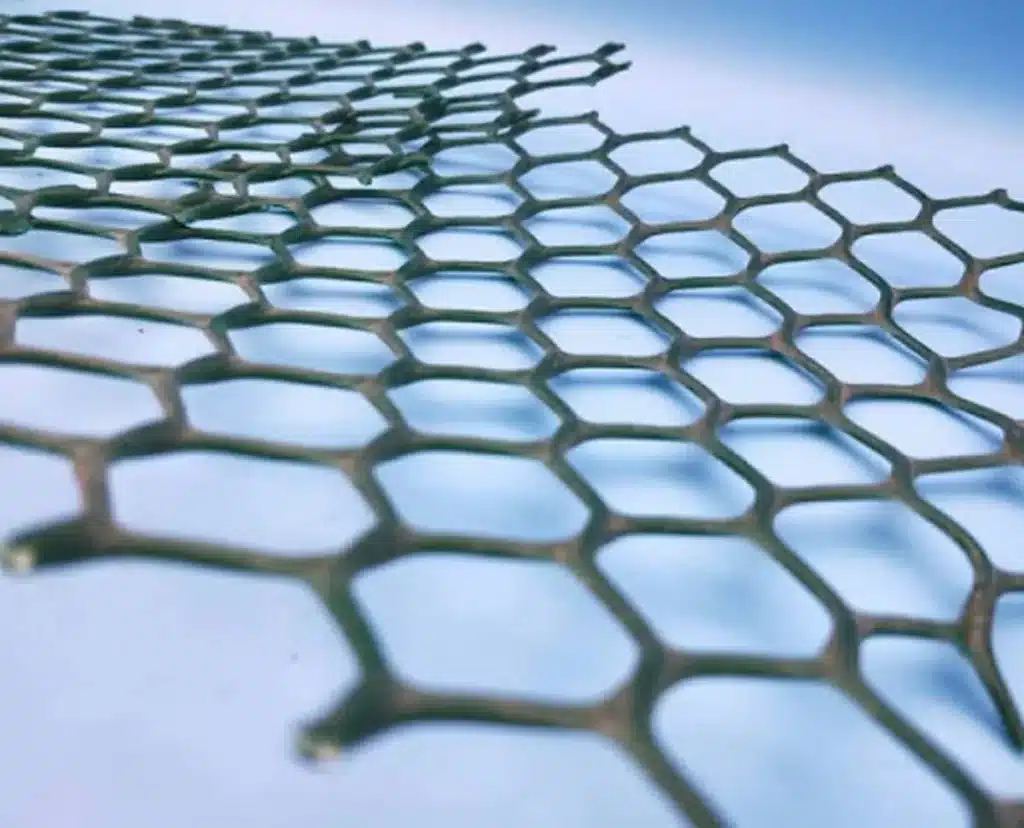
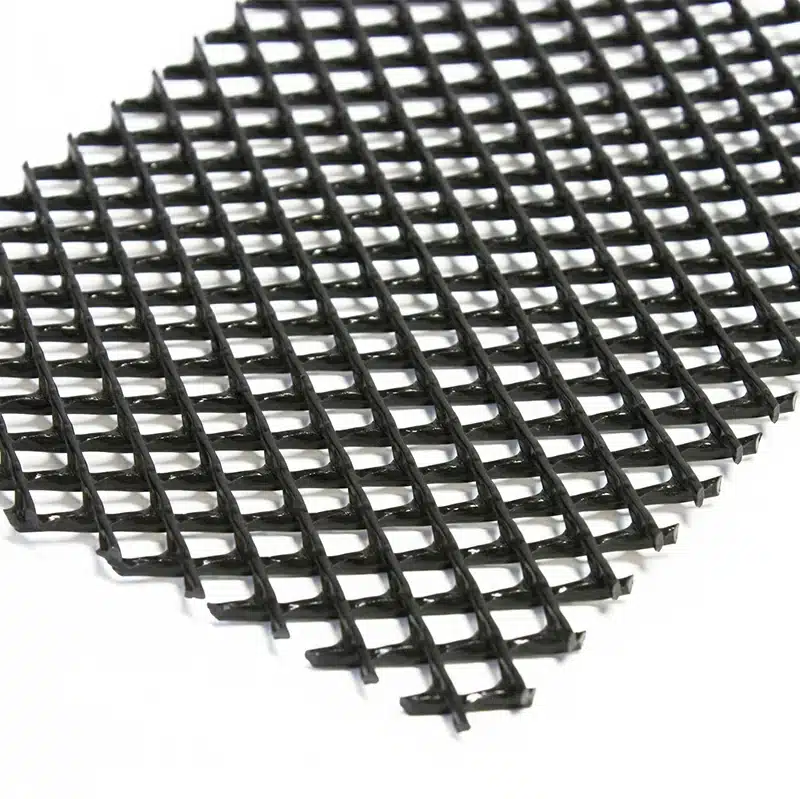
A geonet in geotextile is a three-dimensional, drainage-focused geosynthetic material. It comprises connected rib sets arranged at different angles to allow efficient drainage of liquids or gases. Geonets are mainly used to improve drainage and filtration in civil engineering and environmental projects.
What is a geonet made of?
Geonets are usually crafted from virgin high-density polyethylene (HDPE) or low-density polyethylene (LDPE). These plastics provide strong resistance against environmental elements like UV radiation, chemicals, and biological decay. Geonets may include additives for increased stiffness and long-lasting durability to further enhance their characteristics.
What is geonet used for?
Geonets have a wide range of applications in civil engineering and environmental projects. They serve various purposes, including:
- Drainage: Geonets enhance drainage by creating pathways for liquids, reducing hydrostatic pressure, and preventing soil waterlogging.
- Filtration: Acting as filters, they allow water to flow while retaining soil particles, preventing clogs in drainage systems.
- Erosion Control: Geonets stabilize soil on slopes and embankments, preventing erosion.
- Waste Management: They assist in leachate collection and removal in landfill liners, protecting the environment from contamination.
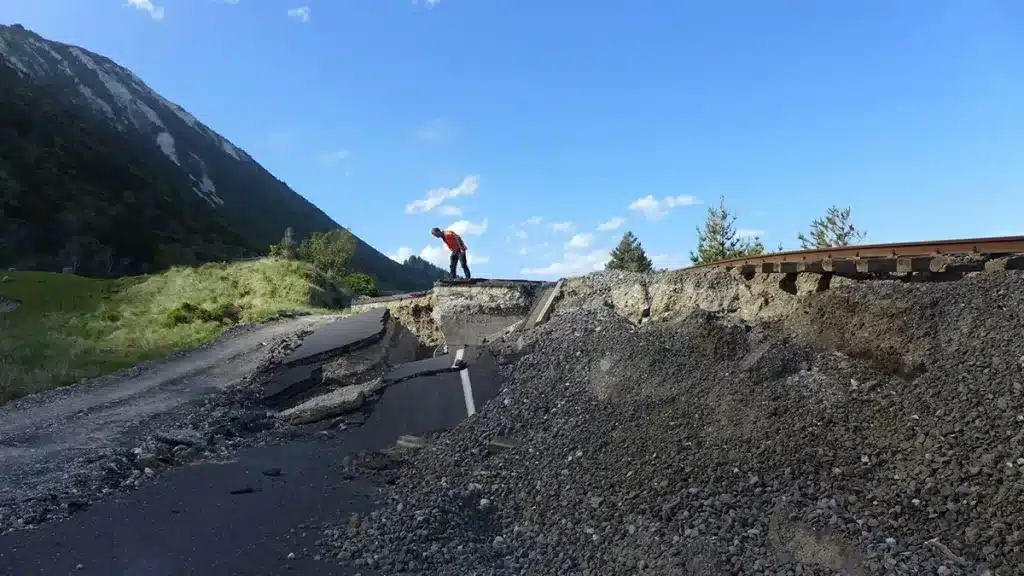
- Reinforcement: Geonets strengthen soils, making them suitable for road construction, widening, asphalt work, building construction, foundations, retaining walls, dams, artificial ponds, water reservoirs, and more.
What is a geonet geomembrane?
A geonet geomembrane is a composite material that blends a geonet and a geomembrane. The geomembrane is a flexible, watertight liner, while the geonet consists of grid-like materials designed for in-plane drainage capability. When combined, they find use in applications like landfill liners, pond liners, and liquid containment systems. The geonet within the geomembrane ensures efficient water or fluid removal, preventing accumulation and potential damage.
In conclusion, understanding the world of geonet landscape is essential for those involved in civil engineering and environmental projects. Geonets, with their drainage and filtration properties, play a pivotal role in enhancing the performance and longevity of various geosynthetic applications. Whether you’re working on drainage systems, erosion control, or waste management, geonets are a valuable tool in your toolkit.


Comments
Post a Comment