Enhancing Stability with Geocell Retaining Walls: A Comprehensive Guide
Geocell retaining walls have emerged as a cost-effective and sustainable solution for soil stabilization and erosion control. In this article, we will explore what geocell retaining walls are, the role of geogrid in retaining walls, and whether you should use geogrid for your project. Additionally, we’ll delve into the working principles of geotextile retaining walls to help you make informed decisions for your construction needs.

What is a Geocell Retaining Wall?
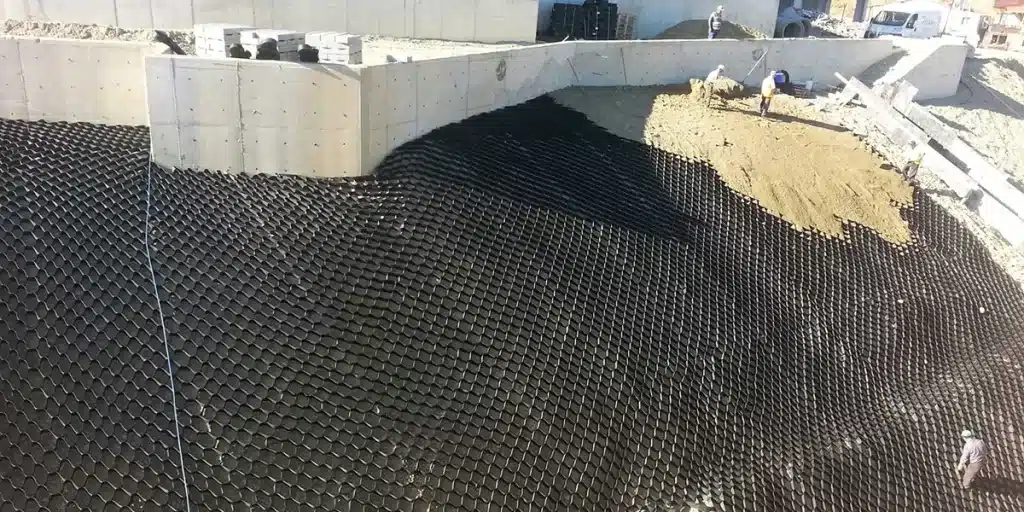
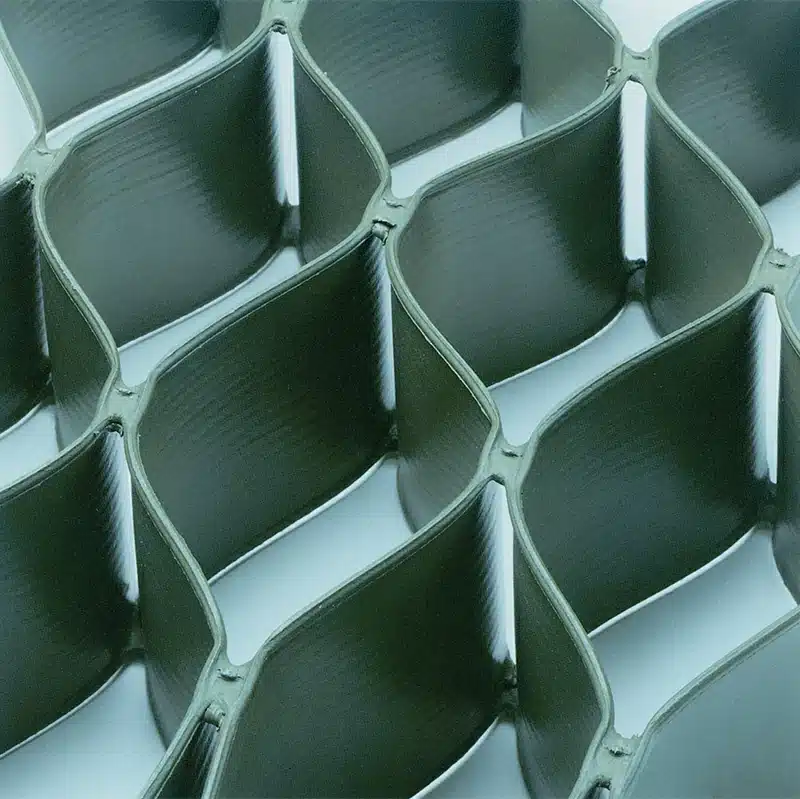
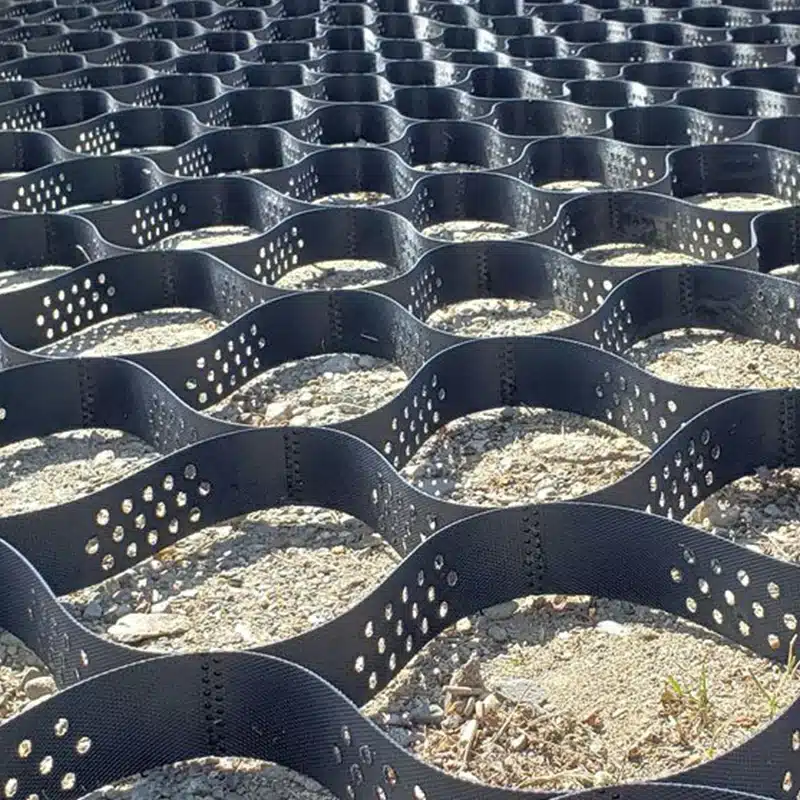
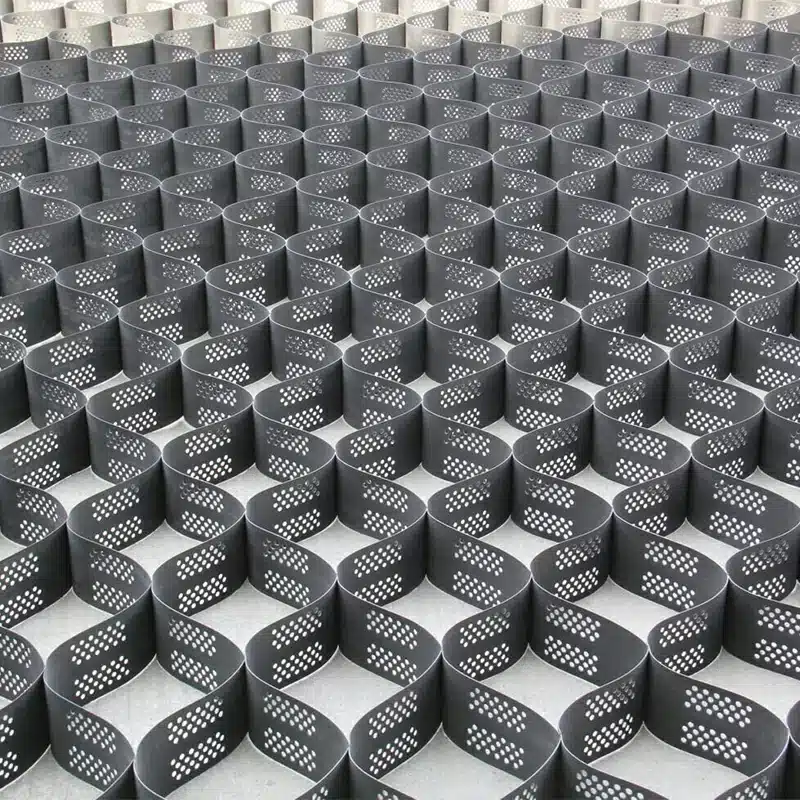
A geocell retaining wall is a modern solution built to stabilize steep slopes with minimal land use. It’s made of tough materials like high-density polyethylene (HDPE) and features a honeycomb-like structure. These cells are filled with soil, aggregate, or other materials to create a stable and eco-friendly retaining wall.
What is Geogrid for Retaining Wall?
Geogrid is an essential part of different retaining walls, including geocell retaining walls. It’s a geosynthetic material, typically made from strong polymers or fiberglass, that reinforces the soil behind the retaining wall. This reinforcement boosts the wall’s strength and stability by evenly spreading forces, preventing soil shifts, and potential wall failures.
Should I Use Geogrid for the Retaining Wall?
Yes, it is ideal to use Geogrid in all retaining applications. The choice to include geogrid in your retaining wall project depends on various factors. Geogrids offer significant advantages in situations involving unstable or loose soil, tall retaining walls, or when enhanced stability is a top priority. Consulting with a geotechnical engineer is essential to evaluate whether geogrids are needed for your particular project. They can offer recommendations based on site conditions and project objectives.
How Does Geotextile Retaining Walls Work?
Geotextile retaining walls utilize geosynthetic fabrics called geotextiles to stabilize soil and prevent erosion. These fabrics are permeable, allowing water to pass through while retaining soil particles. To construct geotextile retaining walls, layers of these fabrics are placed between soil layers. They function by reducing hydrostatic pressure, improving drainage, and offering structural support. Geotextile retaining walls are commonly applied in coastal regions, highway construction, and areas susceptible to erosion.
Geogrid is a flexible mesh that is used to create a reinforced coherent mass behind the retaining wall by stabilizing the soil.
In conclusion, geocell retaining walls, with the assistance of geogrid and geotextile materials, offer innovative solutions for soil stabilization and erosion control. By understanding their functions and consulting with professionals, you can make informed decisions to ensure the success of your retaining wall project. Proper planning, quality materials, and expert guidance are key to achieving a durable and reliable retaining structure.


Comments
Post a Comment