Discovering the Benefits of Geogrid-Reinforced Soil Slopes
In the world of civil engineering and construction, soil reinforcement with geogrids plays a pivotal role in ensuring structural integrity and stability. This article delves into the concept of geogrid soil reinforcement, how it is utilized in soil stabilization, the benefits of geogrid-reinforced soil slopes, and the purpose of the geogrid mesh.
What is Geogrid Soil Reinforcement?
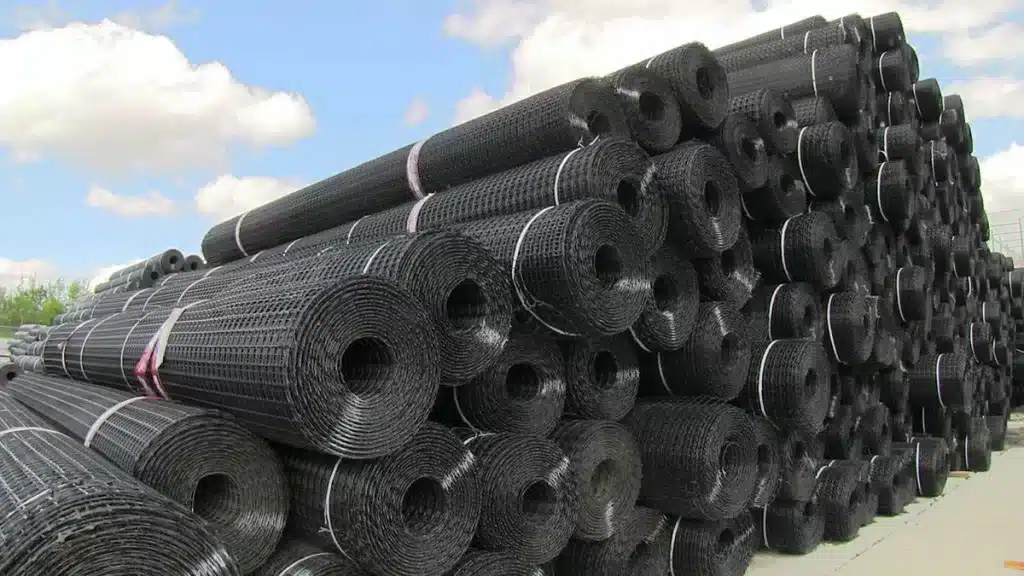
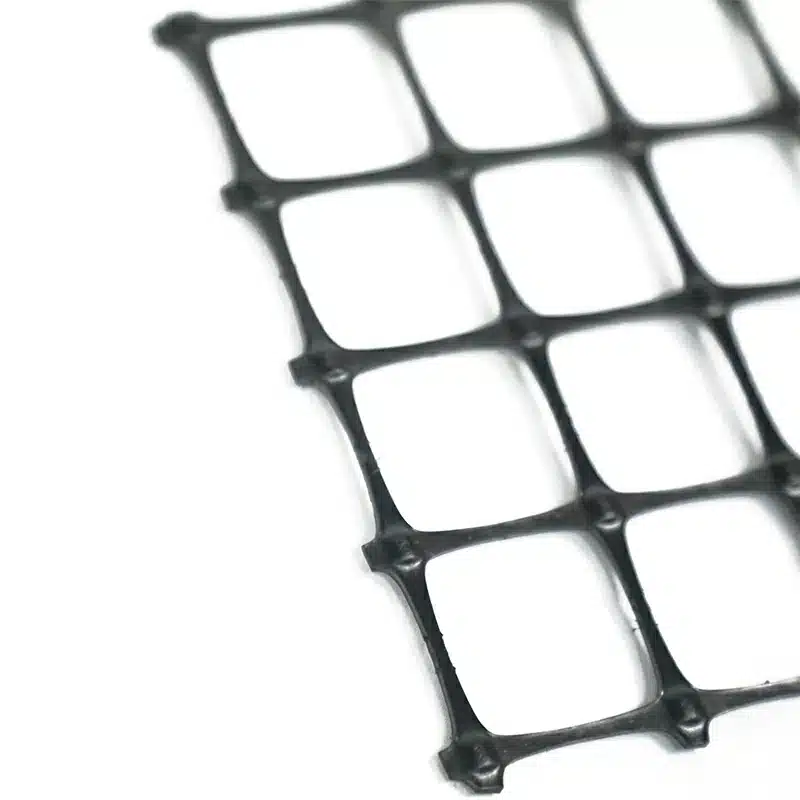
Geogrids, a geosynthetic material made from polymers, reinforce soil behind retaining walls. They create a robust mesh structure that boosts soil stability and load-bearing capacity. By distributing loads and minimizing lateral movement, geogrids enhance the soil’s strength, making them versatile for various project needs.
How Geogrid Is Used in Soil Stabilization?
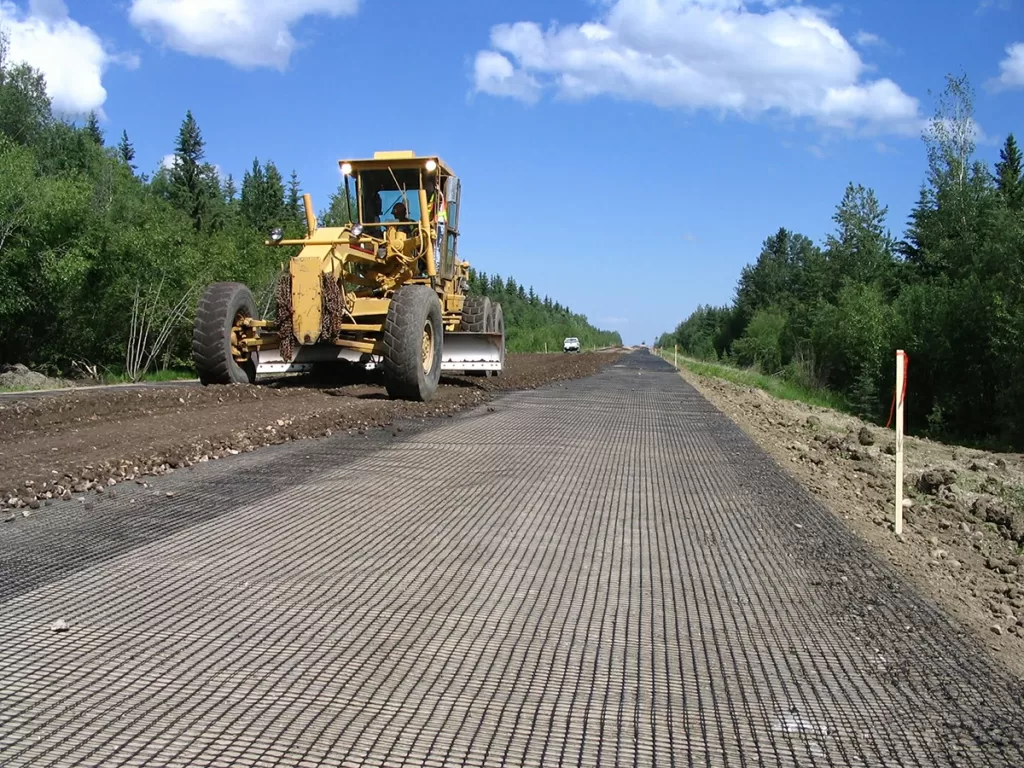
Geogrids play a vital role in soil stabilization, preventing erosion, enhancing load-bearing capacity, and more. These grids are placed within the soil to consolidate aggregate, support varying loads, and disperse tensile forces. This minimizes the formation of ruts and deformation caused by frictional forces. Commonly applied in road construction, retaining walls, and slopes, geogrids effectively prevent soil movement, settling, and erosion.
What is Geogrid-Reinforced Soil Slope?
Reinforced earth slopes with a face angle up to 70° can be stabilized by incorporating Tensar reinforcing geogrids laid horizontally back from the slope face in layers. These geogrid-reinforced soil slopes, also known as geosynthetic-reinforced slopes, effectively bolster soil on inclined surfaces. They are widely used to prevent landslides, enhance embankment stability, and boost safety on steep terrain. Geogrid-reinforced soil slopes offer a cost-effective and eco-friendly alternative to conventional concrete or stone structures, making them a top choice for various civil engineering projects.
What is the Purpose of Geogrid Mesh?
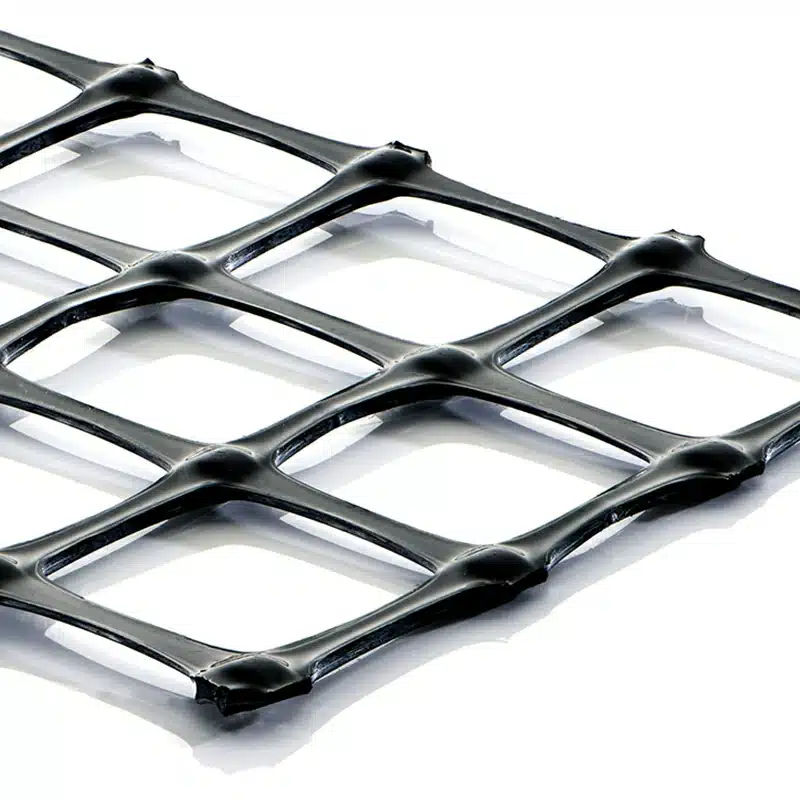
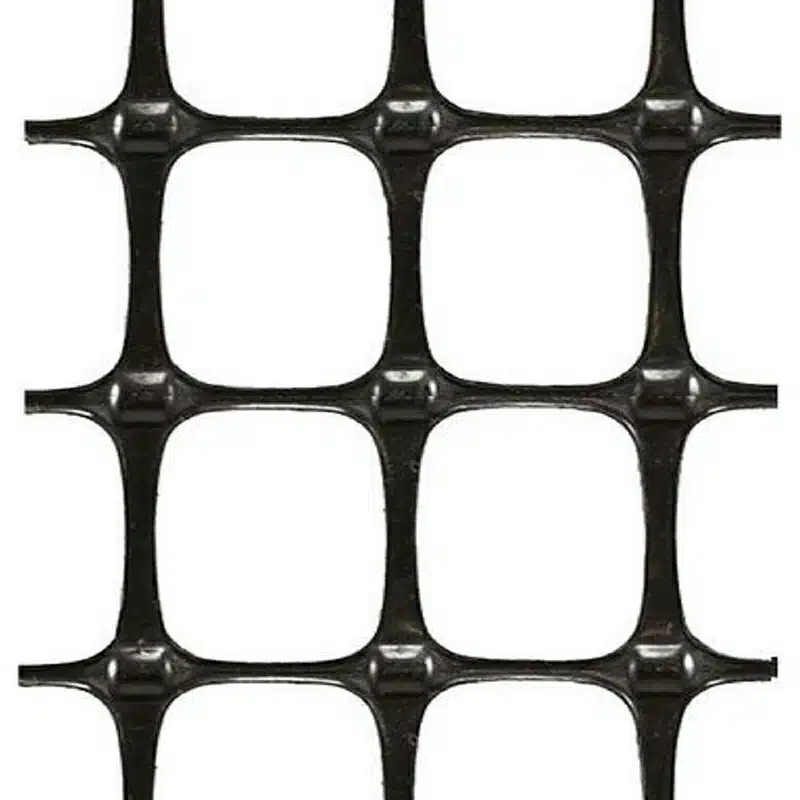
Geogrid mesh primarily strengthens soil and reduces soil-related problems by preventing soil and granular material movement. Geogrids disperse loads over a larger area, preventing stress build-up, reducing settling, and improving overall stability. This mesh structure also promotes ecological sustainability by facilitating vegetation growth. Moreover, geogrid mesh can be customized to enhance drainage and filtration, extending the lifespan of soil reinforcement systems.
In conclusion, the geogrid soil reinforcement is a valuable tool in civil engineering, contributing to soil stabilization, slope reinforcement, and the prevention of erosion and landslides. The flexible and cost-effective nature of geogrids, coupled with their environmental advantages, makes them an attractive choice for a wide range of construction and infrastructure projects. By understanding the concept of geogrid soil reinforcement and its various applications, engineers can ensure the long-term stability and durability of their projects while minimizing their environmental impact.


Comments
Post a Comment