Unlocking the Potential of Geonet for Gravel: Benefits, Uses, and Differences
In the world of civil engineering and construction, geosynthetics play a pivotal role in enhancing the stability and performance of various projects. Among these geosynthetics, “geonet for gravel” is a versatile and crucial component. This article explores the differences between geotextile and geonet, delves into the applications of geonet, highlights the distinctions between geogrid and geonet, and explains the concept of transmissivity in geonets.
What is the difference between geotextile and geonet?
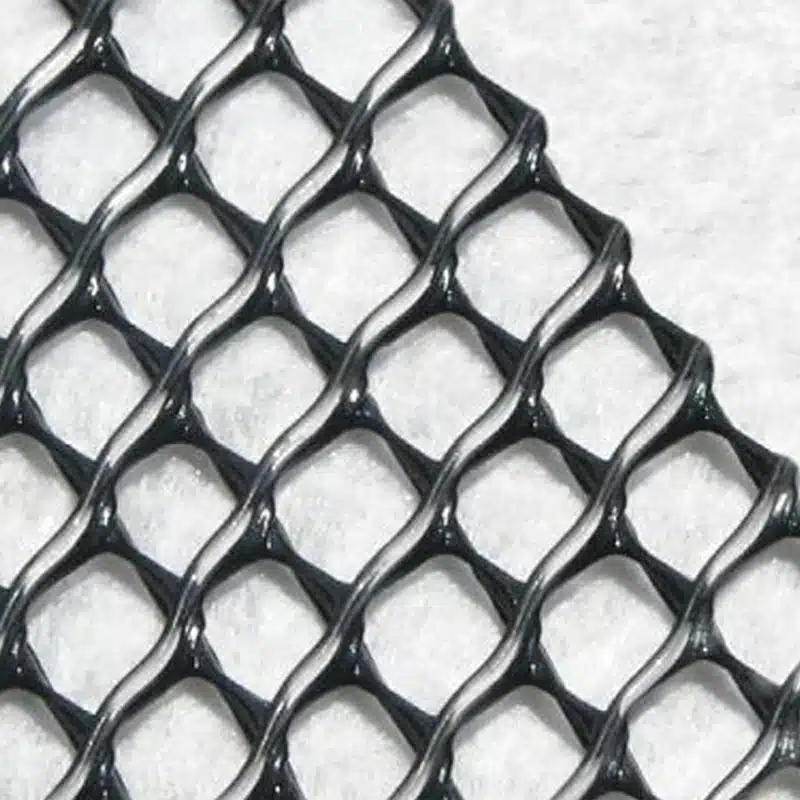
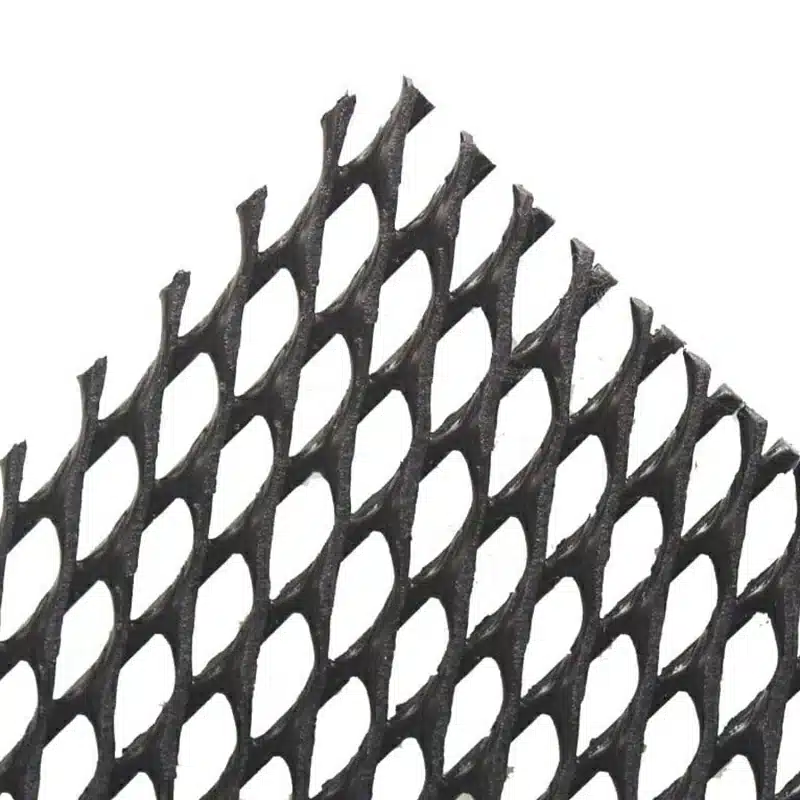
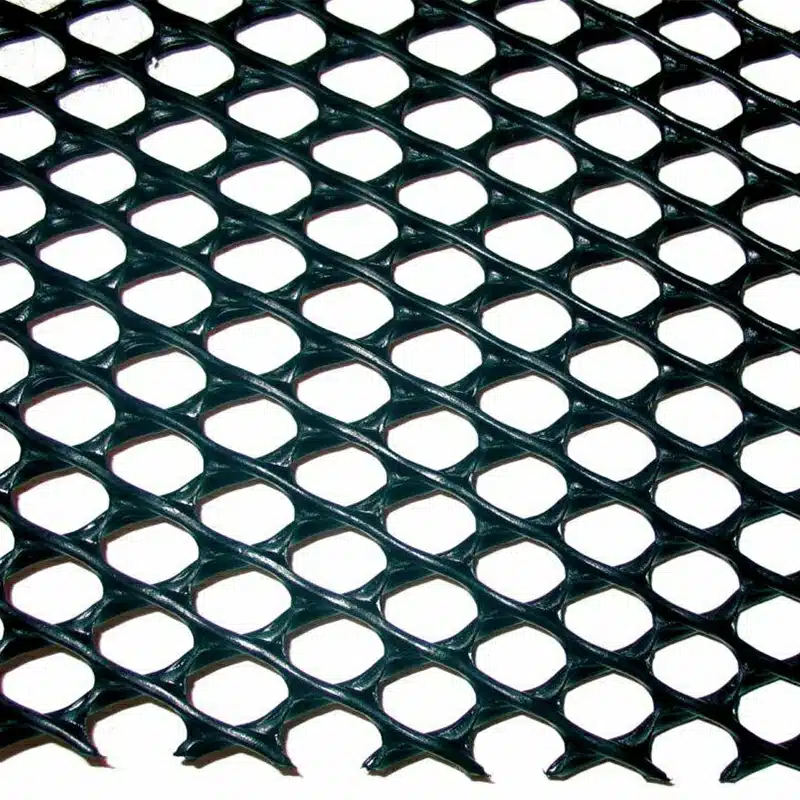
Geotextiles and geonets are both types of geosynthetic materials employed in civil engineering, yet they have distinct roles. Geotextiles are typically woven or non-woven fabrics used for soil filtration, separation, and reinforcement. In contrast, geonets are three-dimensional structures designed with an interconnected grid of ribs, serving as effective channels for liquid or gas drainage. Geonets are frequently paired with geotextiles to optimize drainage systems.
What are geonets used for?
Geonets have a wide range of applications in civil engineering and construction, making them highly versatile. They are commonly used for purposes such as:
- Drainage: Geonets efficiently manage liquid flow within soil or aggregate layers, preventing water accumulation in various projects including road construction, road widening, asphalt work, building construction and foundations, retaining walls, dams, artificial ponds, water reservoirs, and many more.
- Erosion Control: Geonets effectively combat soil erosion on slopes, embankments, and riverbanks by facilitating proper drainage and supporting vegetation growth in diverse applications.
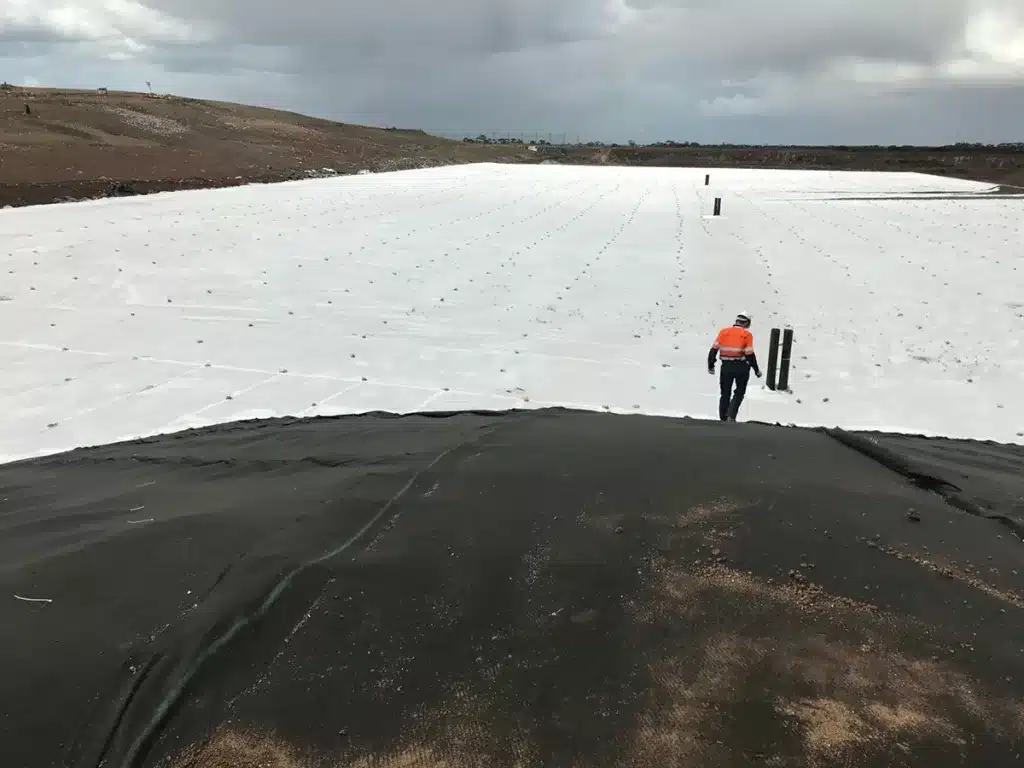
- Landfills: In modern landfill liner systems, geonets play a crucial role in ensuring the efficient drainage of leachate. This helps reduce the risk of environmental contamination in landfill sites.
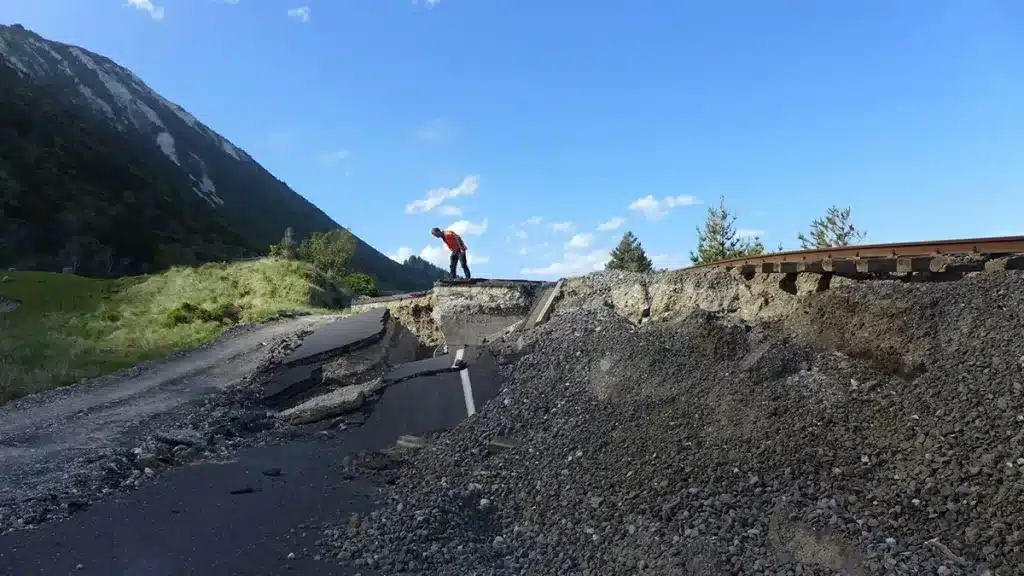
- Road Construction: Geonets boost the load-bearing capacity of roads by providing essential drainage, separation, and reinforcement. This significantly extends the lifespan of roads, making them more durable and resilient in road construction, road widening, and asphalt work, among other construction projects.
What is the difference between Geogrid and Geonet?
Geogrids and geonets are both geosynthetic materials used in civil engineering, but they have distinct functions. Geogrids are typically rigid or semi-rigid sheets or grids used primarily for soil reinforcement. They are designed to improve the load-bearing capacity of soils by distributing loads over a wider area. Geonets, as mentioned earlier, are used for drainage and filtration purposes. While both can enhance the performance of civil engineering projects, their applications and functions differ significantly.
What is the transmissivity of geonet?
The transmissivity of a geonet, which measures how effectively fluids (typically water) can flow through its structure, is a critical factor in geosynthetic design. It’s usually quantified as 1.0×10³ square meters per second (1.0×10³ m2/sec), and it hinges on various aspects, including the geonet’s thickness, porosity, and hydraulic gradient. Higher transmissivity values signify superior drainage performance, rendering geonets an excellent option for applications requiring efficient water management.
In conclusion, geonet for gravel is an indispensable geosynthetic material that finds extensive use in civil engineering and construction. Understanding its differences from geotextiles and geogrids, its diverse applications, and the concept of transmissivity can help engineers and construction professionals make informed decisions when implementing geonet solutions in their projects. By harnessing the benefits of geonets, they can ensure the longevity and stability of their structures while minimizing environmental impacts.


Comments
Post a Comment